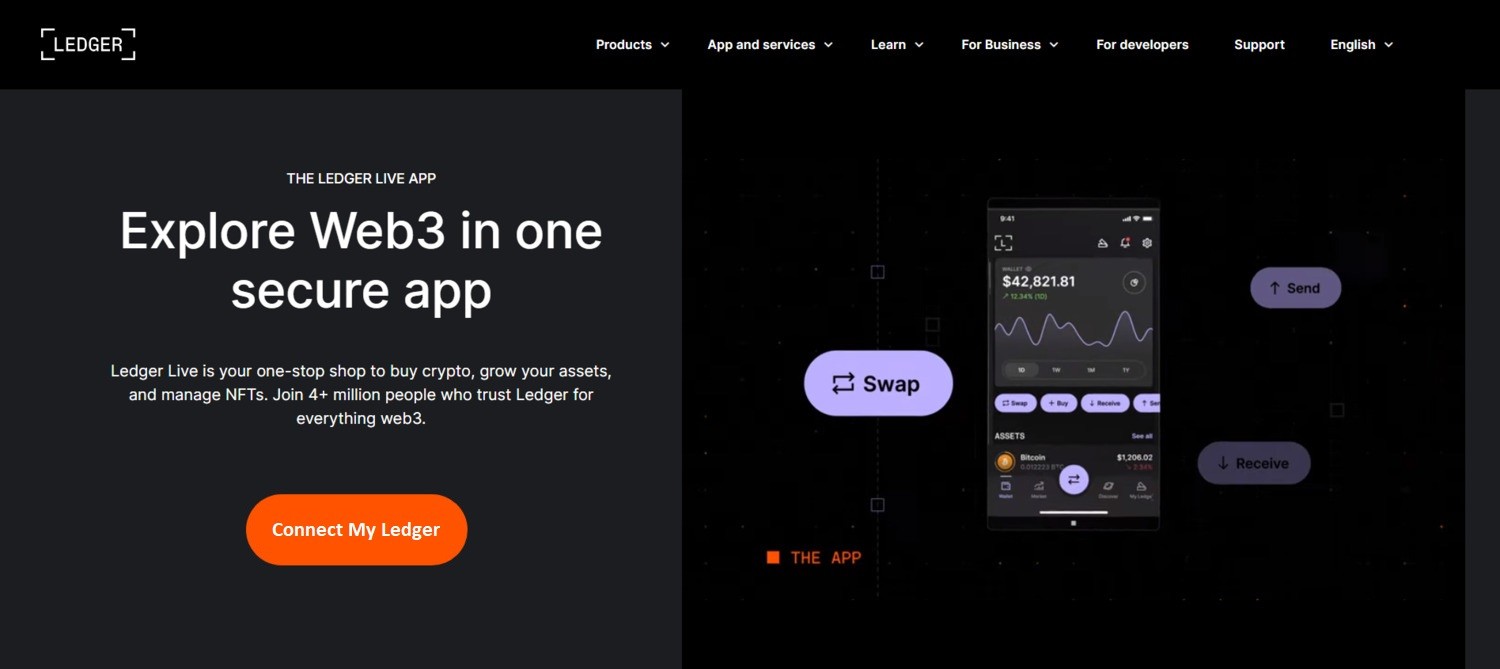
Ledger Live Login Guide: Safe and Reliable Access to Your Digital Assets
Ledger Live is a powerful application that allows cryptocurrency holders to securely manage their assets using Ledger hardware wallets. It provides a simple interface for tracking balances, making transactions, staking coins, and managing multiple blockchain accounts. While many users search for “Ledger Live login,” the process differs significantly from traditional account-based systems. This guide explains how Ledger Live login works, how users access their wallets, and why this method is considered one of the safest in the crypto industry.
Overview of Ledger Live
Ledger Live is the official software developed by Ledger to complement its hardware wallets, including the Ledger Nano S Plus, Ledger Nano X, and Ledger Stax. The application is available on desktop and mobile platforms, offering broad compatibility and convenience.
Unlike web wallets or centralized exchanges, Ledger Live does not store private keys online. Instead, it acts as a secure interface that communicates with the Ledger hardware device, where sensitive cryptographic data is permanently protected.
What Is Ledger Live Login?
Ledger Live login does not involve creating an account, setting a username, or entering an email address and password. Instead, access is based on hardware authentication. This means that only someone who physically owns the Ledger device and knows the correct PIN can access the wallet.
In simple terms, Ledger Live login requires:
The Ledger Live application
A connected Ledger hardware wallet
The correct PIN entered on the device
Optional app-level security confirmation
This approach removes the risks commonly associated with online credentials.
How Ledger Live Login Works
Installing Ledger Live
The first step is installing Ledger Live from an official source. Downloading the app from unverified websites can expose users to malicious software designed to steal crypto assets.
Opening the Application
Once installed, Ledger Live can be opened without logging in. However, access to accounts and transactions remains restricted until the hardware wallet is connected and verified.
Connecting the Hardware Wallet
Users must connect their Ledger device using a USB cable or Bluetooth, depending on the model. The application will prompt the user to unlock the device.
Entering the PIN
The PIN is entered directly on the Ledger device itself. This step is critical, as it confirms ownership and prevents unauthorized access.
Optional App Lock
Some users enable additional protection for Ledger Live, such as an app password or biometric security. If enabled, this must be completed before accessing the dashboard.
After these steps, the user gains full access to their crypto accounts.
Ledger Live Login on Desktop and Mobile
Ledger Live offers a consistent experience across platforms, but the login process adapts to the device being used.
Desktop Experience
Connection via USB
PIN entry on the hardware wallet
Optional Ledger Live password for app access
Mobile Experience
Bluetooth connection for compatible devices
PIN confirmation on the Ledger device
Fingerprint or Face ID support (if enabled)
Regardless of platform, all transactions require physical confirmation on the Ledger device.
Why Ledger Live Login Is Different From Exchange Logins
Traditional crypto platforms rely on centralized servers, email-based logins, and passwords. Ledger Live eliminates these risks by using a decentralized, hardware-based system.
Key differences include:
No stored login credentials
No password recovery emails
No centralized user database
Full user control over private keys
This structure significantly reduces the risk of phishing, account takeovers, and remote hacks.
Common Issues During Ledger Live Login
Although Ledger Live is designed for reliability, users may occasionally encounter access issues.
Device Connection Problems
If Ledger Live does not recognize the hardware wallet:
Check the USB cable or Bluetooth connection
Ensure the device is unlocked
Restart the application
Update Ledger Live to the latest version
PIN Entry Errors
Multiple incorrect PIN attempts will cause the Ledger device to reset. This is a security feature designed to prevent brute-force attacks. Users can restore their wallet using the 24-word recovery phrase.
Forgotten Ledger Live App Password
If an app-level password is forgotten, Ledger Live can be reset or reinstalled. Funds are not lost, as they are tied to the recovery phrase, not the application.
Bluetooth Login Issues
Mobile users should ensure Bluetooth permissions are enabled, keep the device close to the phone, and update both the app and operating system.
Ledger Live Login Security Best Practices
To keep assets safe, users should follow these essential security practices:
Never share your PIN or recovery phrase
Do not store recovery words digitally
Ignore emails asking for wallet verification
Always verify transaction details on the device screen
Keep firmware and Ledger Live updated
Security depends as much on user behavior as it does on technology.
Ledger Live Login and Asset Recovery
If a Ledger device is lost or damaged, assets are not lost. Users can regain access by restoring their wallet on a new Ledger device using the 24-word recovery phrase. This phrase acts as the master key to the wallet and should be stored securely offline.
Ledger Live itself does not store recovery information, ensuring complete user control.
Privacy and Ledger Live Login
Ledger Live does not require personal identification to access wallet features. There is no mandatory registration process for basic use. This makes Ledger Live suitable for users who prioritize privacy and self-custody.
Some optional services within Ledger Live, such as buying or selling crypto through third-party providers, may involve additional verification. However, this is separate from wallet login and management.
Can Ledger Live Be Used Without Logging In?
Ledger Live can be opened without connecting a device, but account access is limited. Users can view the interface, but cannot manage balances or approve transactions without completing the login process through the hardware wallet.
This limitation ensures funds remain secure even if the application is accessed by someone else.
Conclusion
Ledger Live login is designed around ownership, not credentials. By requiring physical access to a hardware wallet, PIN verification, and optional app-level security, Ledger Live offers one of the safest ways to manage cryptocurrency.
Understanding this login process helps users avoid scams, troubleshoot access issues, and maintain full control over their digital assets. For anyone serious about long-term crypto security, Ledger Live provides a trusted and proven access model.